
Ultimate Guide to Make-Ahead Casserole Recipes: Quick, Healthy & Freezer-Friendly Options
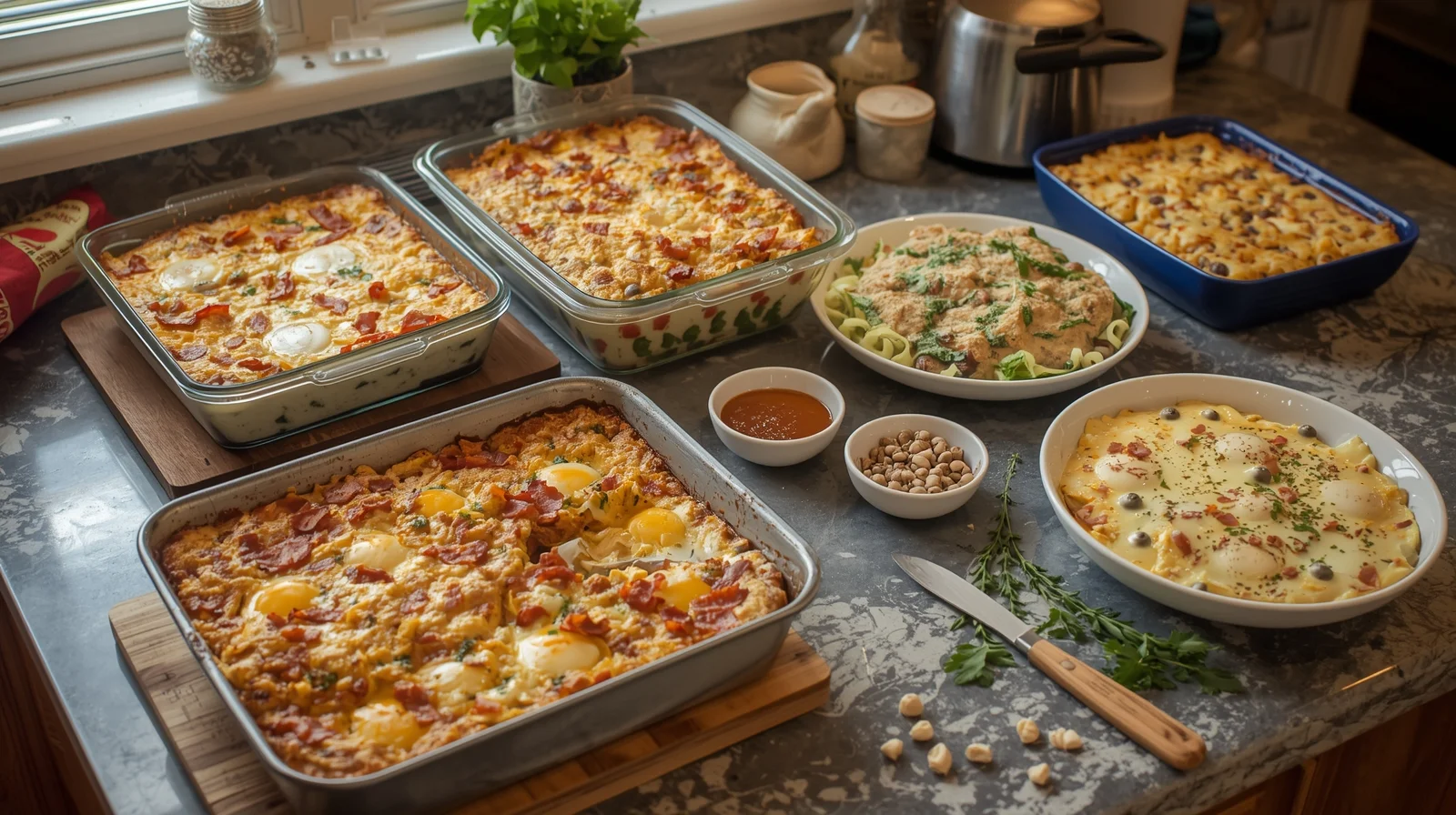
Make-ahead casseroles are a great way to simplify mealtime. Whether you’re planning a busy week or a family gathering, these easy casseroles are perfect for saving time without sacrificing flavor. You can assemble them in advance and store them in the fridge or freezer for a future meal. From savory comfort food casseroles like Philly Chicken Cheesesteak to Cabbage Roll, the possibilities are endless. Not only are they hearty and filling, but they also offer a nutritious option that can be packed with high-protein ingredients. These casseroles are not only about flavor—they can be healthy too, with seasonal vegetables and lean proteins that meet your dietary needs.
Freezer casseroles are incredibly budget-friendly and help reduce food waste. Once you’ve made a batch, you can store them in the freezer, making them the perfect solution for busy days when you don’t have time to cook. After baking and cooling, simply wrap your casserole in foil and store it in a freezer bag. When you’re ready to eat, just pop it in the oven to reheat. Whether it’s leftovers or a new meal, freezer casseroles can be a life-saver for anyone looking to save time while still enjoying a delicious dinner. You can also portion them out for easy healthy meal prep and high-fives for getting a meal ready in advance!
Whether you’re cooking for breakfast, brunch, or dinner, make-ahead casserole recipes offer something for everyone. Try Blueberry-Almond Overnight French Toast for a sweet start to your morning, or go savory with tuna noodle casserole. These recipes are ideal for those who love comfort food that satisfies every craving, from cheesy and creamy to rich and satisfying. They’re also great for gatherings, ensuring you always have enough food to go around without spending hours in the kitchen.
Section 1: Why Make-Ahead Casseroles Are a Game Changer
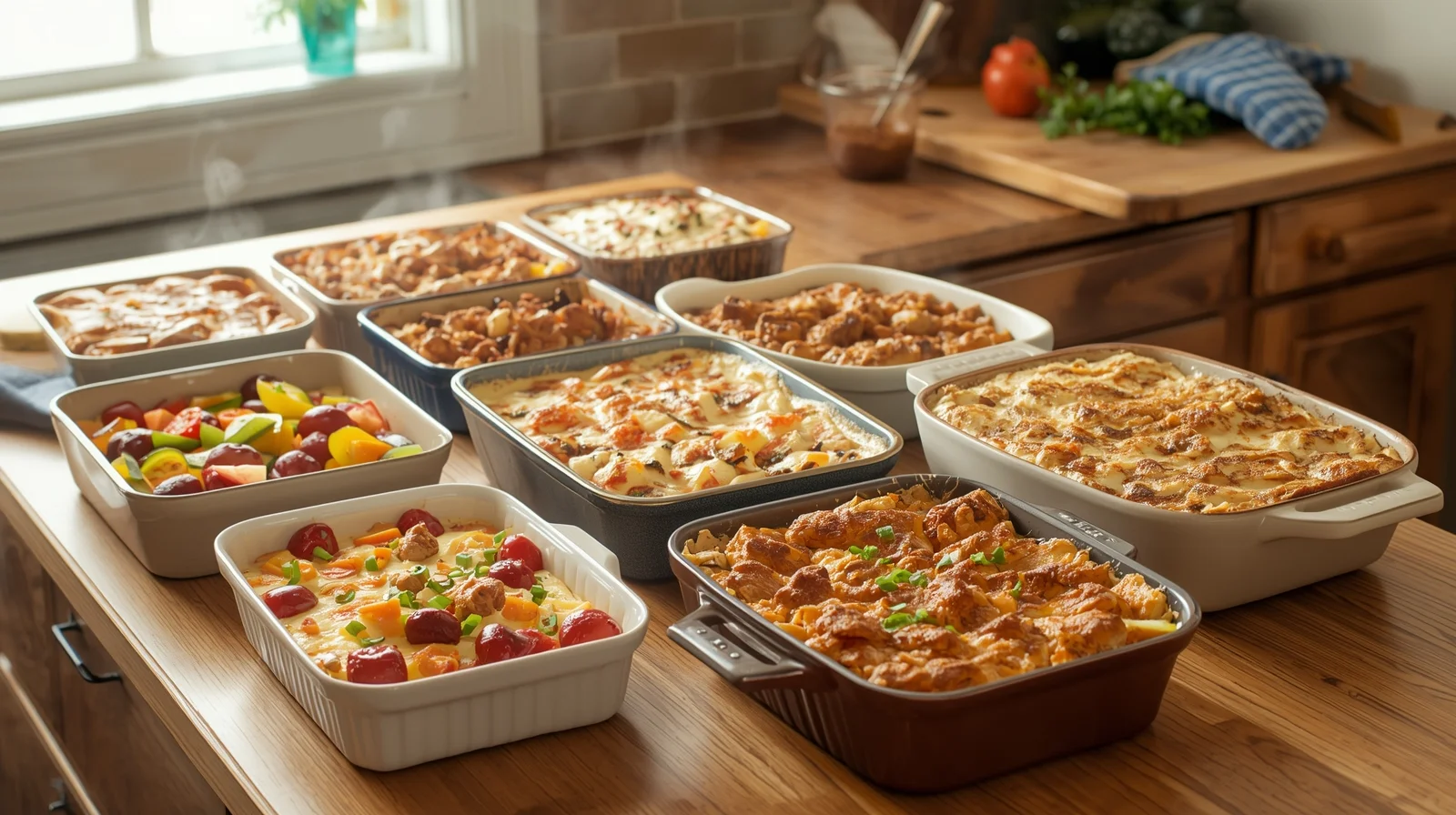
Make-ahead casseroles are a game changer for busy families or individuals with tight schedules. They offer time-saving benefits by allowing you to prepare meals in advance and simply reheat when needed. Instead of spending time in the kitchen every day, you can create these easy casseroles and store them in the fridge or freezer for later. Whether it’s a Philly Chicken Cheesesteak casserole or a Cabbage Roll casserole, these meals can be assembled quickly and are ready to bake when you’re ready to eat.
One of the biggest advantages is versatility. You can create casseroles for families that cater to any meal of the day—breakfast, lunch, dinner, or even snacks. Recipes like Blueberry-Almond Overnight French Toast casserole or Eggs Benedict Casserole are perfect for a cozy brunch gathering. Additionally, these meal prep casseroles are adaptable to suit various dietary needs. You can easily include healthy ingredients like vegetables, lean proteins, and whole grains, while still making high-protein casseroles for those seeking a nutritious, filling dish.
Another great benefit is how cost-effective these casseroles are. They are budget-friendly and often help reduce food waste. You can prepare large portions for the entire family without breaking the bank. This makes casseroles a go-to option for casseroles for holidays and gatherings. Instead of spending a lot on takeout or last-minute shopping, making casseroles in batches ensures that everyone has a nourishing meal ready, saving both time and money in the long run.
Section 2: Types of Make-Ahead Casseroles
Breakfast Casseroles
When preparing make-ahead casseroles, you can easily customize your recipes based on the meal of the day or dietary needs. Breakfast casseroles are a great way to start the day, especially if you’re looking for something low-carb. Think egg-based casseroles, with options like bacon or sausage, or even portable breakfast wraps. These are perfect for busy mornings when you want something nutritious and filling but don’t have time to cook.
Dinner Casseroles:
For dinner, high-protein casseroles are a fantastic option, offering dishes that are both savory and comforting. Dishes like Philly Chicken Cheesesteak casserole or Cabbage Roll casserole are hearty and flavorful, while vegetarian options or classic comfort foods like lasagna or tuna noodle casserole are always a hit at family dinners. If you’re looking to stick to budget-friendly meals, these casseroles are easy to assemble and bake in batches, making them perfect for large families or gatherings.
Low-Carb/Keto Casseroles:
If you’re following a low-carb or keto diet, there are plenty of casseroles that can be made in advance, such as zucchini noodle casseroles or cauliflower rice casseroles. These cheesy, rich, and creamy dishes are packed with flavor and will fill you up without the carbs. For those who love to meal prep, freezer-friendly casseroles are a game-changer. You can double your recipe, store extra portions in the Helpful Tips for Freezing Casseroles, and reheat them later, saving time and energy while still enjoying a solid, satisfying meal.
Sweet & Savory Variations:
I also recommend experimenting with sweet & savory variations. A Blueberry-Almond Overnight French Toast or Eggs Benedict Casserole offers a twist on traditional casseroles, perfect for brunch or as a dessert. Casseroles allow for nourishing meals that can be enjoyed during any season, while still being flexible to suit your budget and kitchen needs.
Section 3: How to Prep and Store Make-Ahead Casseroles
Preparation Tips:
Prepping casseroles ahead of time is a real time-saver for busy days. You can assemble and bake them all at once or make the process easier by prepping the night before. For example, you can prepare the casserole base, then store it in the fridge overnight. This allows you to save time in the morning or on busy weeknights. However, some casseroles can be made up to weeks ahead and frozen for later use. You just need to ensure they are stored in freezer-safe containers to preserve their freshness and avoid freezer burn.
Freezing and Reheating Best Practices:
When freezing your casserole, be sure to label it with the name and the date, so you know exactly what you have on hand. Freezer-safe containers or heavy-duty foil work great to keep everything solid. When it’s time to reheat your casserole, the microwave can be a quick solution, but be careful not to overcook it. To prevent drying out, you can cover it with foil or a lid. If you’re reheating a large batch, it’s best to do so in the oven at a low temperature to ensure even heating. For some casserole recipes, it’s possible to cook them directly from the freezer, but keep in mind that this will require an extra 20-30 minutes of cooking time depending on the size.
Avoiding Soggy Ingredients:
Some ingredients don’t freeze well and can result in a soggy casserole when reheated. Vegetables like tomatoes and zucchini tend to release excess water when frozen, so it’s best to avoid them in your casserole or use them sparingly. Instead, opt for seasonal, hearty vegetables such as carrots, sweet potatoes, or broccoli that hold up better in the freezer. If you’re using ingredients like potatoes, try cooking them first and cooling them down before adding them to your casserole to keep them from getting too mushy.
Cooking From Frozen:
You can cook your casserole straight from the freezer, but be prepared for longer cooking times. Depending on the recipe, it can take up to 50% longer than cooking a fresh casserole. It’s helpful to check the casserole periodically to make sure it’s heated all the way through. If you prefer a quicker method, you can always thaw your casserole overnight in the fridge and cook it the next day with minimal adjustments to the time.
Section 4: High-Protein & Healthy Casserole Recipes (Diet-Specific)
When it comes to preparing meals in advance, make ahead casseroles are a lifesaver. They’re not only easy to assemble but also provide a comforting, warm, and gooey dish that is perfect for busy days. Whether you’re making breakfast, dinner, or even a meal for a gathering, casseroles are a budget-friendly way to enjoy a nutritious, high-protein meal without too much effort. And if you’re someone who loves to save time, making casseroles in batches is a game-changer. You can freeze the extra and have it ready to reheat whenever you need a quick, savory meal.
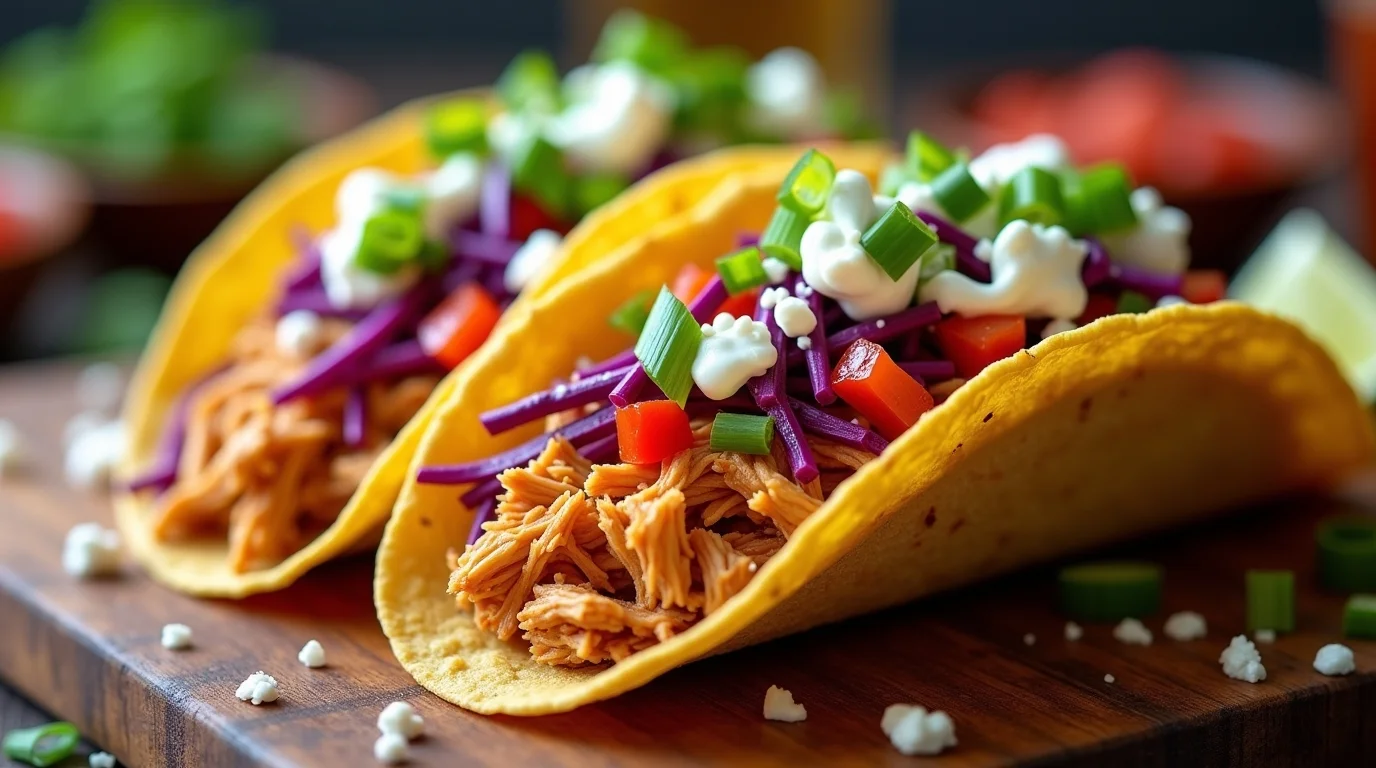
Here are some exciting ideas to get you started:
Keto Casseroles
Keto casseroles are great for those on a low-carb diet. A favorite is the keto sausage breakfast casserole, which is loaded with rich, creamy ingredients and packed with protein. Another classic is the low-carb chicken casserole, made with tender chicken, a variety of veggies, and topped with a cheesy layer. These recipes are perfect for a high-protein start to your day or even as a filling dinner. The beauty of keto casseroles is their ability to provide a satisfying, nourishing meal without exerting too much time or energy in the kitchen.
Plant-Based Casseroles
If you’re looking for a plant-based option, try a vegetarian lasagna casserole or a tofu and vegetable casserole. These dishes are not only flavorful but also nutritious and satisfying. The layers of vegetables, tofu, and a rich tomato sauce bring the perfect balance of flavor and comfort food appeal. Plant-based casseroles are a great way to include more vegetables in your diet, while still enjoying a classic casserole experience.
Gluten-Free Casseroles
For those with dietary restrictions, gluten-free casseroles are a must. A great choice is the sweet potato and quinoa casserole, which combines these two seasonal, nutritious ingredients into a creamy, cheesy casserole that everyone will love. It’s the perfect example of how you can make a gluten-free meal that is still rich and satisfying without sacrificing flavor.
Low-Sodium & Dairy-Free Casseroles
For people who need to limit their sodium intake or are following a dairy-free diet, casseroles can still be a delicious and nourishing option. Consider making a low-sodium casserole like a garlic mashed potatoes casserole or a dairy-free tuna noodle casserole. These recipes can be modified to meet your dietary needs while still being rich, savory, and full of comfort. The key is to use natural flavors from herbs, garlic, and fresh ingredients to enhance the taste while keeping it healthy.
Each of these casserole recipes can be prepared in batches, stored in the freezer, and easily reheated in the oven or microwave for a quick meal. They’re a perfect way to save time on busy days, and whether you’re enjoying a leftover Philly Chicken Cheesesteak casserole or a classic tuna noodle version, you’ll always have something filling, flavorful, and ready to eat.
Section 5: Make-Ahead Casseroles for Busy Moms and Families
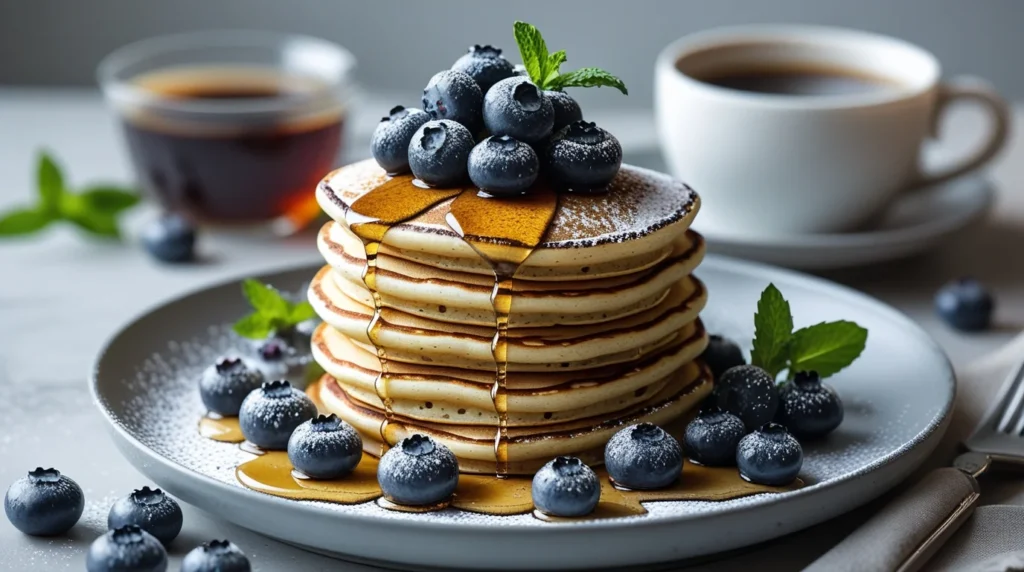
When you’re juggling a hectic family schedule, meal prep can be a lifesaver. Make-ahead casseroles are a comforting solution, offering both nutritious and easy meal options that can save you time. These savory dishes are perfect for busy mornings or unexpected gatherings. Here’s how to turn your casserole game into a budget-friendly and nourishing strategy for your family.
Quick Prep for Busy Mornings
Preparing casseroles the night before can make mornings less stressful. Simply assemble your casserole in advance, cover it with foil, and store it in the fridge. The next morning, pop it into the oven for a quick and delicious breakfast or brunch. A Philly Chicken Cheesesteak casserole or a classic loaded baked potato casserole with cheese and garlic are perfect for this. Both are filling, flavorful, and can be made ahead of time, helping you avoid a crazy rush in the morning. Plus, you can enjoy a warm, gooey casserole fresh out of the oven.
Kid-Friendly Casseroles
It’s a challenge to please everyone at the table, especially when it comes to kids. Kid-friendly casseroles like a cheesy broccoli casserole or a taco casserole are great because they combine comfort food with the flavors children love. These nutritious options are packed with protein and will keep your little ones satisfied. You can even sneak in some vegetables without them noticing—perfect for picky eaters! When making casseroles for kids, consider adding a twist by using familiar ingredients like cheese or tuna noodle, making it a rich and satisfying dish.
Portable and Grab-and-Go Options
For families on the go, portable casseroles can be a game changer. Consider making individual casserole portions that are easy to grab and take with you. Breakfast casserole muffins or single-serve tuna noodle casseroles are great options. These bite-sized meals are easy to eat and can be made the night before. The best part? They’re easy to freeze and reheat in the microwave, saving you preciosatisfying snack or meaus time during a busy day. Just pop them into the oven or microwave for a quick and l.
Meal Prep for the Week
Batch cooking casseroles is one of the best ways to save time throughout the week. Preparing large portions of casseroles like Cabbage Roll or Blueberry-Almond Overnight French Toast and storing them in the freezer can help you stay on track with meal prep. You can divide the casserole into individual portions, making it easy to reheat in the microwave or oven later in the week. These casseroles can be stored in foil and will hold their flavor and rich texture even after freezing. Reheating them is simple—just pop them back in the oven to make sure they’re as savory as the first time.
Section 6: Tips for Customizing Your Casserole Recipes
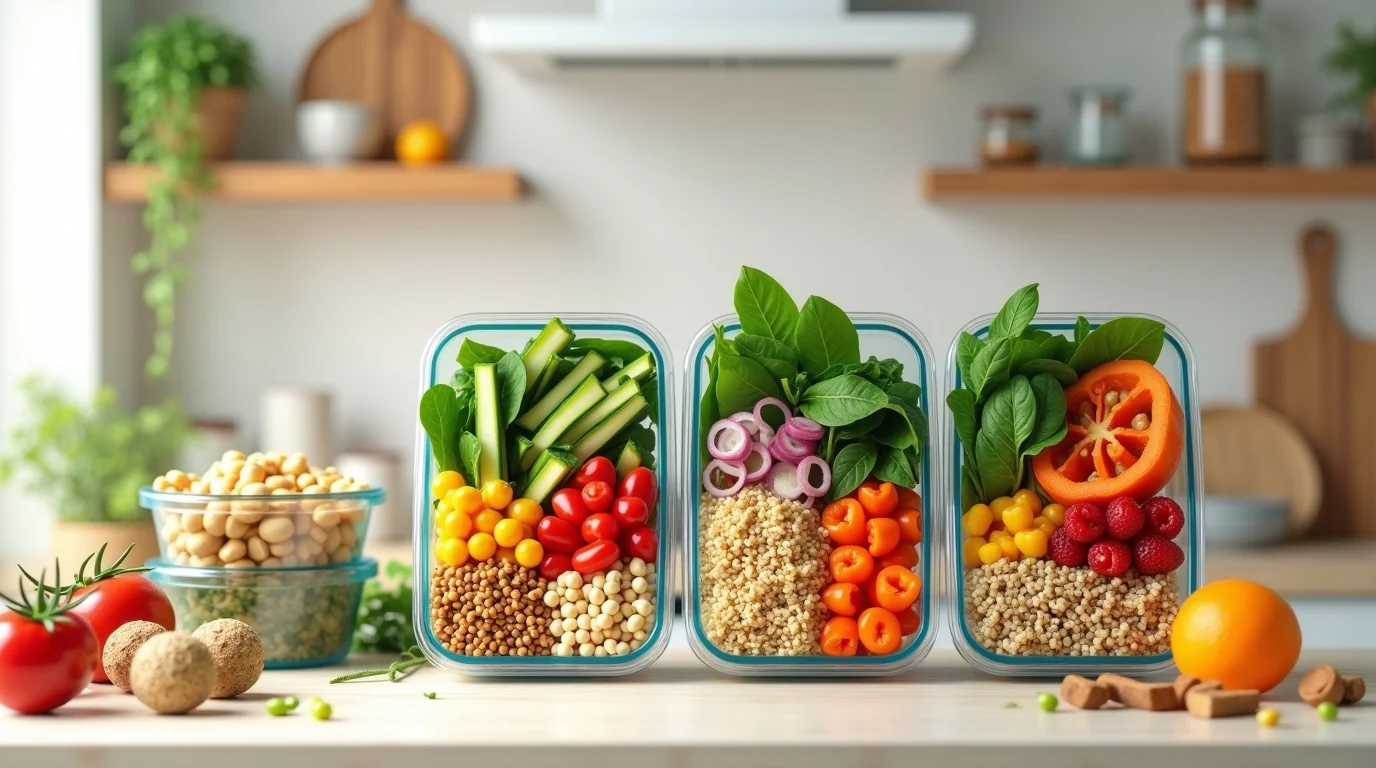
Casseroles are the ultimate comfort food—warm, gooey, and easy to assemble and bake. Whether you’re preparing a high-protein dish like a Philly Chicken Cheesesteak casserole or a creamy tuna noodle casserole, they offer a world of customization options. In this section, we’ll explore how you can adjust casseroles to fit different tastes, dietary needs, and mealtime preferences. So, let’s dive into making your casserole recipes even more flavorful, nourishing, and budget-friendly.
Ingredient Swaps
One of the best things about casseroles is their flexibility. You can easily swap ingredients to match your dietary needs or preferences without compromising flavor. For example, if you’re looking for a savory twist on a classic, try substituting chicken for turkey or quinoa for rice. For those who need a dairy-free option, you can replace regular milk with almond milk, which works well in creamy casseroles like Blueberry-Almond Overnight French Toast or Eggs Benedict Casserole.
By making these simple ingredient swaps, you can still enjoy a nutritious and satisfying meal that fits your specific lifestyle. It’s all about making small adjustments that don’t require much exerting effort but still produce rich, creamy, and flavorful results.
Flavor Boosters
Adding extra flavor to casseroles doesn’t have to mean adding more calories. Spices, herbs, and even a splash of citrus can elevate the taste of your dish without the need for heavy ingredients. If you’re preparing a family-favorite casserole like loaded baked potato casserole, throw in a sprinkle of garlic and a dash of chili powder for a little kick. Herbs like rosemary and thyme can turn an ordinary leftover casserole into something seasonal and refreshing.
Remember, just a pinch of spice can transform the flavor profile of your dish, turning it into a flavorful masterpiece that will keep everyone coming back for more. You can use these flavor boosters in everything from brunch casseroles to dinner casseroles, giving them that perfect balance of comfort and excitement.
Freezer-to-Oven Adjustments
Casseroles are great for freezing and reheating. When baking a frozen casserole, add an extra 10-15 minutes to the cooking time. Cover it with foil to ensure even heating, and then uncover it to get a golden, crispy top. For quick meals, you can reheat in the microwave or oven, making it a perfect solution for busy mealtimes.
Section 7: FAQs about Make-Ahead Casseroles
How far ahead can I prepare casseroles?
You can prepare casseroles up to 2 days in advance. Store in the fridge and bake when ready. For longer storage, freeze for up to 3 months.
What’s the best way to reheat frozen casseroles?
Reheat frozen casseroles in the oven at 350°F for 45-60 minutes. You can also use the microwave, but the texture may not be as good.
Can I freeze casseroles with raw vegetables?
Yes, you can freeze casseroles with raw vegetables, but some veggies may get soggy. Blanch them before freezing to keep the texture.
Which casseroles freeze the best?
Casseroles like tuna noodle, garlic mashed potatoes, and loaded baked potatoes freeze well. They stay creamy and rich when reheated.
Can I make a casserole without eggs or dairy?
Yes, use vegan substitutes like flax eggs or plant-based milk. You can also add tofu or beans for extra protein.
How long can casseroles stay in the fridge before baking?
Casseroles can stay in the fridge for up to 2 days before baking. For longer storage, freeze them.
Section 8: Conclusion
Make-ahead casseroles are a comforting and easy solution for busy meals, offering nutritious, high-protein, and budget-friendly options that can be made in batches, frozen, and reheated with ease. Whether for brunch, dinner, or a family gathering, these flavorful dishes save time and effort while keeping mealtime satisfying. Try one today, share your results, and explore more recipes on the site for a stress-free cooking experience.