
How to Decide What to Eat When You’re Stuck and Nothing Sounds Good
Deciding what to eat can sometimes feel like an overwhelming task, especially when you’re faced with countless choices. To make it easier, you can start by identifying what you’re really craving. For example, if you’re in the mood for something light and crunchy, you might go for kale chips, snap peas, or raw carrots. On the other hand, if you’re looking for something comforting, mashed potatoes, mac & cheese, or a bowl of tomato soup could be the right fit. Another simple way to decide is by thinking about what’s available in your pantry and fridge—sometimes, the best choices are the ones you already have on hand.
When you’re struggling to decide, ask yourself whether you’re feeling hungry or if your body is just seeking a snack. If you’re not truly hungry, a smoothie, frozen grapes, or Greek yogurt can satisfy your cravings without overindulging. On days when you’re craving something heartier, avocado toast, a toasted panini, or a bowl of ramen might be just what you need. Mixing up your routine with different textures and flavors, like cucumbers with tajin or sushi, can make your meals more exciting. Use these options to tune into your body’s needs, and soon you’ll find it much easier to decide what to eat.

Step 1: The “Biological Triage” (Are You Actually Hungry?)
Before diving into food decisions, it’s important to pause and ask yourself: Are you actually hungry? Your body might be sending signals, but they could be a red herring.
The Apple Test: If you wouldn’t eat a plain apple (or another simple, unadorned food), you aren’t physically hungry—you’re likely bored, stressed, or even dehydrated. The true test is asking yourself if you’d enjoy something as basic as an apple, rather than something indulgent like pizza or fries. If not, your craving is likely emotional, not biological.
The Hydration Check: Often, thirst masquerades as hunger. You may feel a need to eat when all you need is water. Next time you’re reaching for the snacks, try drinking a glass of water first and wait 15 minutes. You might just be dehydrated.
The “Nutrient Gap” Theory: Your body craves certain textures when it’s stressed. If you’re craving crunchy foods, like chips, it could signal tension or frustration. On the other hand, a desire for soft or creamy foods (think mashed potatoes or ice cream) might indicate a need for comfort. Identifying the real cause of your cravings can help you make a healthier choice.
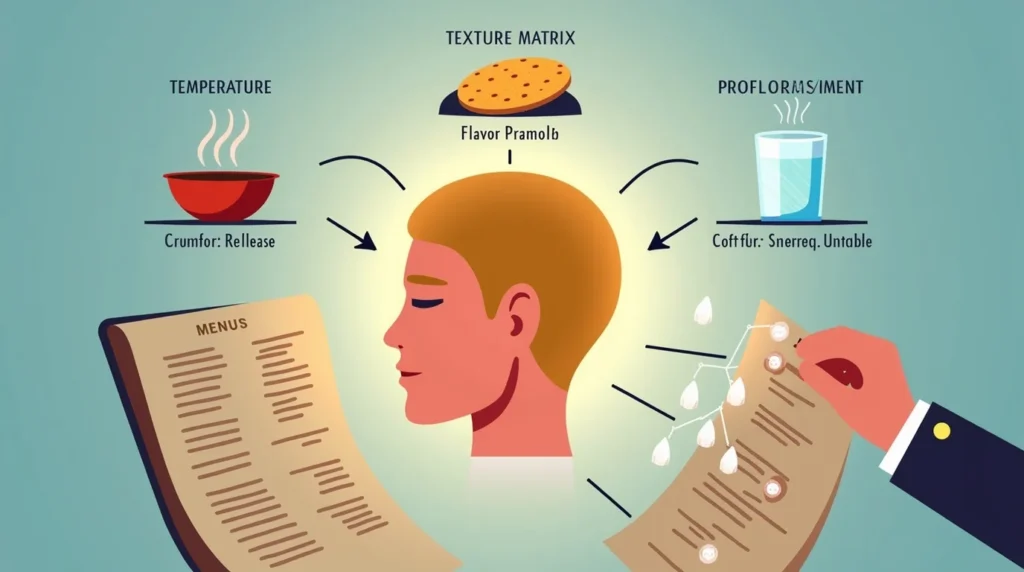
Step 2: The Sensory Framework (Bypass the Menu)
Instead of getting bogged down in the overwhelming choice of dishes, let’s simplify things. Focus on how the food will make you feel, not just the flavor. Use your senses to guide your decision, bypassing the need for a complex menu.
The Temperature Test: Think of your meal in terms of comfort versus refreshment. Hot foods are comforting, like a warm bowl of soup or freshly baked bread, perfect for those times when you want to feel cozy. On the other hand, cold foods are refreshing—like a chilled salad or a cold smoothie—ideal for when you need a burst of energy and something light.
The Texture Matrix:
- Crunchy: Foods like chips, raw veggies, or toast are great for releasing jaw tension and relieving stress. If you’re feeling anxious or wound up, crunching on something might offer a satisfying release.
- Soft/Creamy: If you’re craving something soft like mashed potatoes, soup, or pasta, it could be a sign that you’re looking for emotional soothing. Soft textures are often tied to comfort and relaxation.
- Chewy: Foods like jerky, gummies, or bagels provide stimulation for your mouth, which can be a great way to stay alert and focused when you need a little pick-me-up.
The Flavor Profile:
When deciding what to eat, consider what type of flavors will satisfy your craving:
- Salty: For a craving that’s bold and savory—think chips or pretzels.
- Sweet: If you’re in the mood for something satisfying but not too rich, go for fruit or a small dessert.
- Spicy: Craving some heat? Spicy food can wake up your senses and ignite a sense of adventure.
- Savory (Umami): Foods with rich, hearty flavors, like a burger or a bowl of ramen, are perfect for when you’re craving depth and fullness.
Step 3: The “Executive Function” Hacks (For the Tired & Overwhelmed)
For those times when your brain feels fried—whether you’re neurodivergent (like ADHD) or just burnt out from life—making decisions can feel nearly impossible. This section is designed to help you streamline the process, using easy-to-implement strategies to make food decisions easier and less stressful.
The “Dopamine Menu” Strategy:
One of the biggest challenges is when you’re hungry and your brain is just too tired to decide. The “Dopamine Menu” strategy helps solve this. It’s a concept where you pre-plan a list of “low effort, high reward” foods that are always on hand. This way, when you’re hungry and overwhelmed, you don’t have to make an exhausting decision. Think simple yet satisfying foods that you enjoy but require minimal prep—like a peanut butter sandwich, yogurt, or a smoothie.
The “Girl Dinner” / “Adult Lunchable” Approach:
Who says a meal needs to be a perfectly balanced, Pinterest-worthy plate? The “Girl Dinner” or “Adult Lunchable” approach is about embracing simplicity. You can throw together random ingredients like cheese, crackers, grapes, and pickles. It’s perfectly fine to eat what feels right in the moment—often, a simple plate like this hits the spot when you’re too tired to cook or plan a healthy meal.
The “Burnout Box”:
For those days when you’re running on empty, create a specific bin or drawer in your pantry for “emergency” meals. These are foods that are quick, easy, and require no thought or effort. Think of instant ramen, mac & cheese, or canned soup. This box is your safety net for those 0% battery days when you need food, but you can’t muster the energy to cook.
Step 4: Decision Making by “Constraint” (Narrowing the Field)
Sometimes, too many options can be paralyzing. Narrowing your choices by setting constraints—whether it’s time, budget, or even energy—can help make decision-making easier and faster.
The Time Constraint:
Time plays a huge role in food decisions. When you’re in a rush, give yourself a time limit:
- 5 Minutes: If you’re short on time, go for quick assembly meals like a sandwich or cereal. These are perfect for when you need something now, with minimal effort.
- 15 Minutes: If you have a little more time, consider “heat & eat” meals—like air-fried food or boiling pasta. These meals take a bit more time but still don’t require much thought or preparation.
- 30+ Minutes: For those days when you have more time and want to cook from scratch, opt for full-on cooking—whether it’s a home-cooked dinner or experimenting with new recipes. This is when you can get creative in the kitchen.
The Budget Constraint:
Budget can often subconsciously block food decisions, especially when you’re feeling financially anxious. Ask yourself, “Is today a Pantry Night (free) or a Treat Night ($$)?” This simple question helps you decide whether to make something from what you already have in the pantry or if it’s time to splurge on takeout or a nicer meal. Financial constraints can help you quickly narrow your choices, reducing the overwhelm of too many options.
The “Future You” Visualization:
Sometimes, the easiest way to make a decision is to think about your future self. Ask, “Do I want to feel energized for a meeting in 2 hours, or sluggish and sleepy for bed?” This is about thinking ahead: If you want productivity, opt for something light and energizing. If you’re winding down for the night, a heavier meal that promotes relaxation might be what you need.
Step 5: Strategies for Couples & Groups (Ending the Argument)
When deciding what to eat with someone else—whether it’s a partner, family, or friends—the decision can become a battleground. These strategies will help end the argument and make food decisions more collaborative and less stressful.
The 5-2-1 Rule: This simple strategy helps resolve indecision quickly. Person A picks 5 options they’d be happy with. Person B then vetoes 2 options, and Person A chooses the final one. This method limits the choices without overwhelming either person and ensures that both have a say in the decision-making process.
The “Cuisine Roulette”: Instead of getting caught up in specific restaurants or meals, start by agreeing on a cuisine first. Whether it’s Mexican, Italian, or Thai, this narrows down the options significantly and makes it easier to settle on a place. Once you’ve chosen a cuisine, the restaurant search becomes much more manageable.
The “Veto” Method: Rather than asking, “What do you want?” ask, “What do you absolutely not want?” The latter question is often easier for the brain to answer, reducing decision fatigue. This method helps quickly eliminate a bunch of options, making the process of choosing much simpler.
Step 6: The “I Give Up” Tools (Gamification)
Sometimes, decision fatigue is too much to overcome, and you just need to leave it to fate. These tools will help you make a decision without any thought required, turning the process into a game.
- Use a Randomizer Wheel: One fun way to bypass the decision-making process entirely is to use a randomizer wheel. You can create a custom list of food options and let the wheel choose for you. This tool is a simple, no-stress solution for those who just can’t decide.
- The Coin Flip Trick: When you’re down to two options but can’t pick between them, try flipping a coin. When the coin lands, you’ll know instantly whether you truly wanted the option it chose. If you feel disappointed by the result, then you know deep down that the other option was the one you actually wanted.
Step 7: The “Emergency List”: 20 Meals for Indecisive Eaters
For those days when you just can’t decide what to eat, having a pre-set list of go-to meals can be a lifesaver. These meals are simple, satisfying, and categorized by vibe to match your mood.
The “I Need Comfort” List:
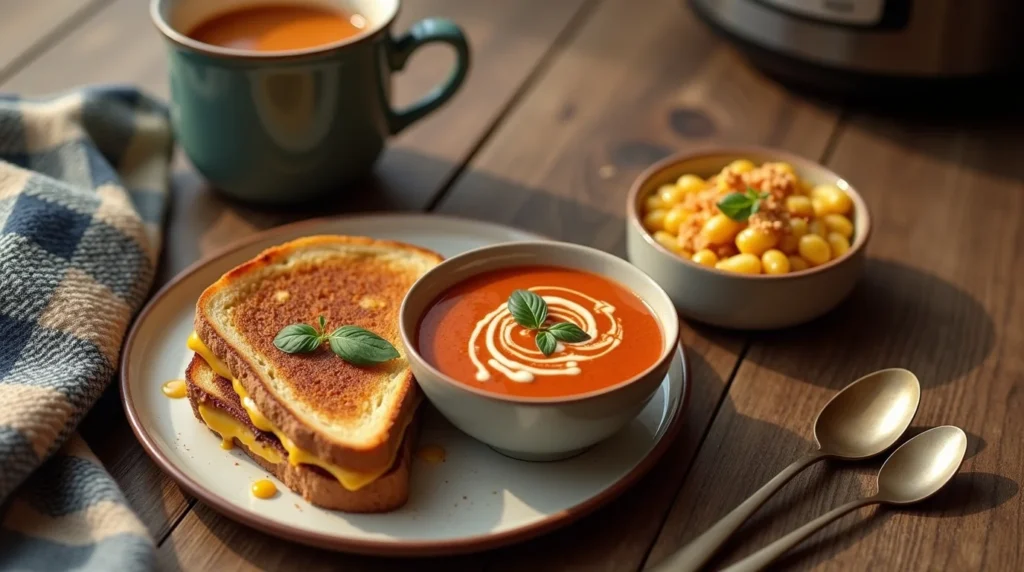
- Grilled Cheese: Classic, warm, and satisfying. Perfect for a cozy, comforting crock pot meal prep.
- Tomato Soup: Pair it with grilled cheese for the ultimate comfort combo.
- Mac & Cheese: A rich and creamy dish that hits the spot when you need some emotional soothing.
The “I Need Health” List:
- Bagged Salad Kit with Rotisserie Chicken: Quick and easy, yet packed with nutrients. Add some dressing, and you’ve got a healthy meal in minutes.
- Smoothie: A fresh blend of fruits and greens, perfect for a nutrient-packed boost.
The “I Need Crunch” List:
- Nachos: A crunchy snack that satisfies that craving for something savory.
- Toast with Toppings: Simple yet satisfying, whether it’s avocado, peanut butter, or your favorite spread.
- Raw Veggie Platter: A fresh and crunchy option for when you want to feel healthy but still indulge in texture.
The “I Need Cheap” List:
- Eggs on Toast: Quick, simple, and cheap. A filling meal that doesn’t break the bank.
- Ramen with an Egg: A budget-friendly favorite, easy to make and customize with toppings.
- Quesadilla: Tortilla, cheese, and whatever fillings you have lying around. A satisfying and affordable meal.
Conclusion
When it comes to food, remember: fed is best. It doesn’t always need to be the perfect meal or the healthiest option. The goal is to keep things simple, stress-free, and nourishing for your body and mind.
By following the framework laid out in this guide, you’ll be able to bypass decision fatigue and avoid the endless scrolling through menus. Whether it’s through understanding your body’s true needs or using time and budget constraints to narrow your options, these strategies will help you make smarter, easier food choices. And next time you’re stuck in front of an open fridge or wondering what to eat, you’ll have a plan to break through the indecision.